
Top Trends Shaping the Taxi Service Industry in 2025: AI, Electric Vehicles, and Beyond
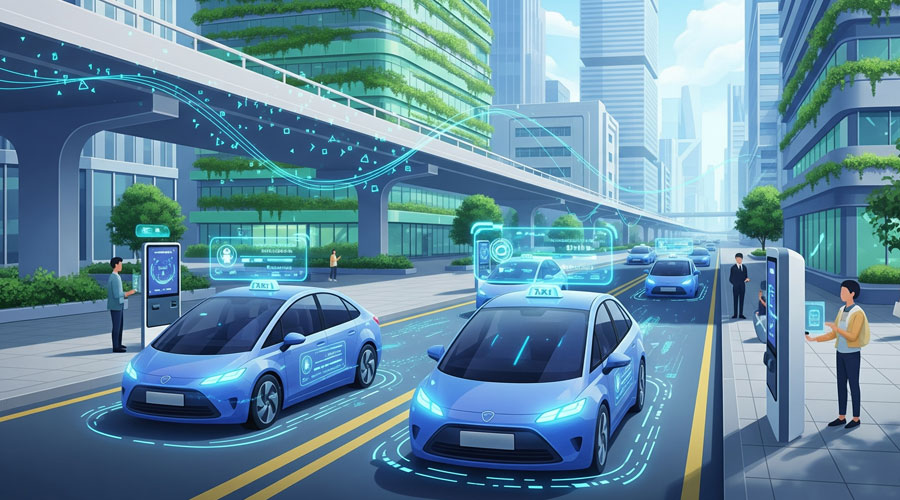
The taxi service industry is undergoing rapid transformation in 2025, powered by advancements in artificial intelligence (AI), the widespread adoption of electric vehicles (EVs), and other emerging trends. Here’s an overview of the most impactful changes shaping the industry this year:
1. AI-Driven Dispatch and Fleet Management
AI technology is now integral to modern taxi services. Advanced AI-powered dispatch systems optimize fleet utilization by predicting demand, analyzing real-time traffic, and managing routes for maximum efficiency. This minimizes wait times, reduces idle vehicle hours, and improves customer satisfaction. Predictive analytics also help forecast peak periods, dynamically allocate vehicles, and offer hyper-personalized passenger experiences—from preferred drivers to tailored loyalty rewards.
2. Surge of Electric Vehicles (EVs)
Sustainability is a key motivator for taxi companies investing in EVs. Stricter emissions regulations and a growing eco-conscious customer base are accelerating the shift toward electric fleets. Electric taxis cut operational costs with lower fuel and maintenance expenses and help companies meet government and city regulations. Fleet management solutions are increasingly integrated with EV-specific features like route planning based on battery range and the location of charging stations.
3. Rise of Super Apps and Subscription Mobility
Taxi services are increasingly part of “super apps” that bundle ride-hailing with other services like food delivery or micromobility (e-scooters, bikes) on a single platform. Additionally, subscription-based models—offering unlimited or discounted rides for a monthly fee—are gaining traction, providing stable revenue for operators and greater value flexibility for passengers.
4. Autonomous Vehicles and Robotaxis
Self-driving taxis (robotaxis) are advancing from pilot testing to limited deployment in select cities. These autonomous vehicles promise to lower labor costs, boost efficiency, and address driver shortages. Still, wide-scale adoption is gradual due to regulatory, insurance, and technological hurdles, but major players like Waymo, Tesla, and Toyota are accelerating their efforts in 2025.
5. Seamless Multi-Modal Travel
Taxi companies are building partnerships with public transportation providers, offering passengers real-time journey planning that integrates taxis, trains, buses, and e-bikes. This multi-modal approach gives passengers greater flexibility and convenience throughout their journey.
6. Enhanced Personalization and Customer Experience
With AI, companies can analyze user behavior and preferences to offer increasingly tailored experiences, such as in-app entertainment, custom offers, or multilingual drivers. This hyper-personalization is becoming a key differentiator as riders expect more than just a ride—they want a smooth, customized journey.
7. Digital Payments and Contactless Solutions
As digital wallets and cashless transactions become standard, taxi services are investing in advanced payment integrations. Passengers benefit from frictionless, secure, and traceable transactions while companies streamline billing and accounting.
The taxi industry’s future in 2025 is defined by innovation—AI drives efficiency, electric and autonomous vehicles lead sustainable and scalable growth, and integrated digital solutions transform how people move and connect.